
Navigating Neurodiversity in Relationships: Embracing Differences, Strengthening Bonds
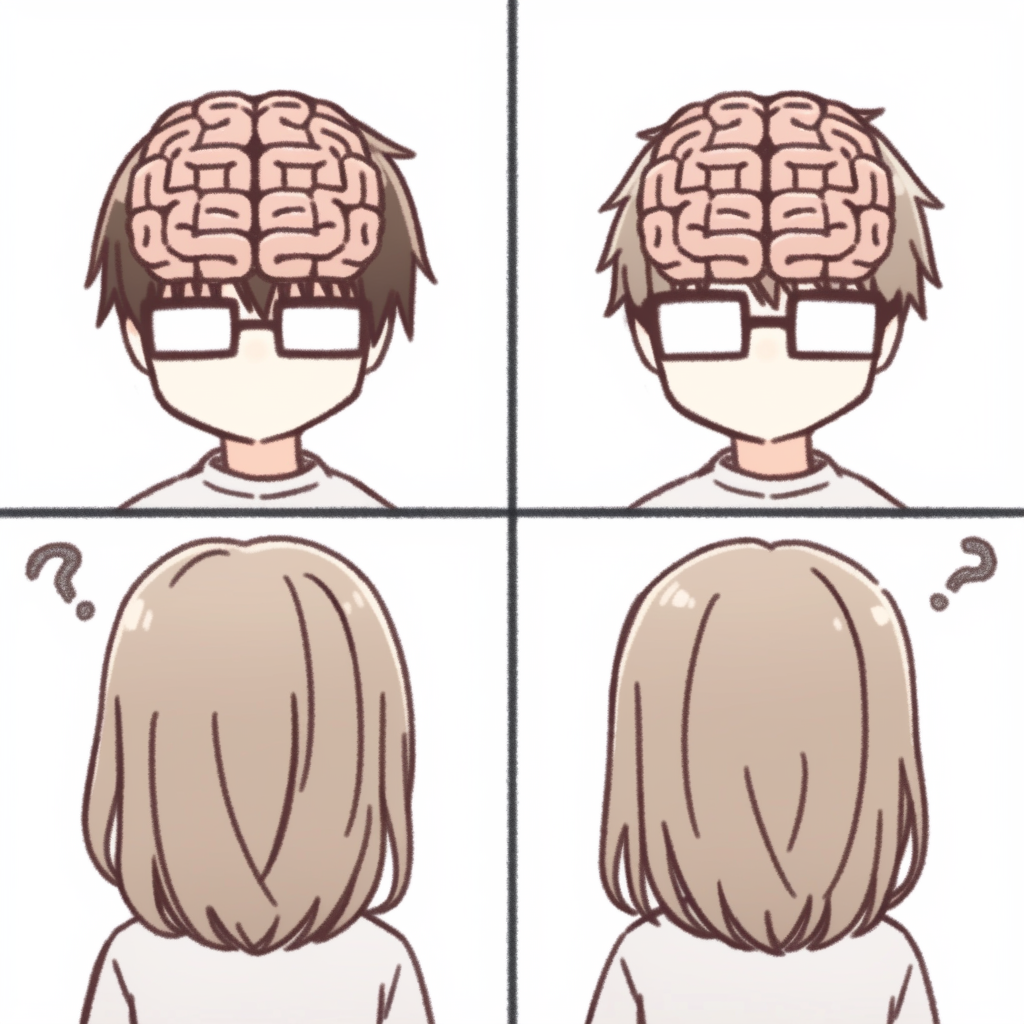
In relationships where one or both partners are neurodivergent, traditional "rules" of communication and connection might not always apply.
Instead of viewing neurodivergence as a barrier, couples can learn to see it as an opportunity for growth and deeper connection. Embracing each partner’s unique brain wiring can create a more compassionate, understanding, and fulfilling relationship. Here, we'll explore ways to understand each other's needs, foster better communication, and create a space where both partners can thrive.
Understanding Neurodiversity in Relationships
Neurodiversity refers to the different ways that people's brains are wired, encompassing conditions such as autism, ADHD, dyslexia, and more. These differences often shape how individuals process emotions, perceive sensory input, and connect with others. When one or both partners in a relationship are neurodivergent, this can mean that standard communication styles or emotional responses may not always align with the typical expectations.
It’s essential to recognize that these differences aren’t deficits. Neurodivergent traits can bring new strengths into a relationship, such as unique problem-solving abilities, deep empathy, or creative thinking. By shifting the focus from trying to "fix" differences to understanding and appreciating them, couples can build a relationship where each person feels respected and valued.
Understanding Sensory Needs and Creating a Comfortable Environment
One key area to explore is each partner's sensory needs. Sensory sensitivities are common in neurodivergent individuals, and what feels comfortable for one person may feel overwhelming or under-stimulating for another. Some individuals may find certain noises, textures, or bright lights distressing, while others may seek out sensory input to feel grounded and calm.
For example, one partner might prefer a quiet and dimly lit space to relax after a stressful day, while the other might feel more at ease with background noise or a certain type of music. Openly discussing these preferences can help each partner better understand what creates a sense of calm and comfort for the other.
Practical Tips for Sensory Support:
Create a sensory-friendly corner in your home where each partner can retreat when they need to decompress.
Use noise-canceling headphones or calming music during stressful conversations.
Experiment with different lighting options to find a balance that suits both partners.
Emotional Regulation: Building a Toolbox Together
Emotional regulation can look different for neurodivergent individuals, especially when it comes to processing and expressing feelings. While one partner may process emotions verbally, needing to talk through their thoughts, the other may require more time and space to sort through their feelings internally before sharing.
Understanding each other’s emotional processing styles can prevent misunderstandings and reduce frustration. For instance, if a neurodivergent partner has difficulty identifying or naming their emotions in the moment, they might benefit from having a list of feelings to choose from or using visual aids to help express what they are experiencing.
Strategies for Emotional Regulation:
Practice “time-out” breaks during heated discussions, allowing both partners to regroup before continuing the conversation.
Create a safe word or signal that either partner can use when feeling overwhelmed, signaling a need for a pause.
Engage in grounding activities together, like deep breathing exercises or mindfulness practices, to support emotional balance.
Creating Supportive Communication Strategies
Good communication is crucial in any relationship, but it’s especially important when one or both partners think and perceive the world differently. Instead of relying solely on body language or implied meanings, neurodiverse couples often benefit from clear, direct, and honest communication.
For example, while some people may use indirect hints to express needs or feelings, many neurodivergent individuals appreciate a more straightforward approach. It can be helpful to explicitly state needs and feelings rather than expecting the other person to infer them.
Communication Tips for Neurodiverse Couples:
Practice active listening by repeating back what the other person has said to confirm understanding.
Use “I” statements, such as “I feel overwhelmed when...” or “I need some time to process this,” to express emotions without assigning blame.
Set aside regular check-in times to discuss any challenges or adjustments that might be needed in the relationship.
Celebrating the Strengths of Neurodivergent Relationships
Neurodiverse relationships often bring a unique depth of understanding and empathy, with each partner learning to see the world from a different perspective. This can foster a profound level of trust and appreciation for one another. By embracing differences instead of trying to fit into societal norms, couples can create a relationship that is both authentic and resilient.
It’s important to celebrate the strengths that each person brings into the partnership. Maybe one partner’s ability to hyperfocus allows them to plan memorable adventures, while the other’s intuitive empathy helps deepen their emotional connection. These strengths can become the foundation for a relationship that thrives on both diversity and unity.
Final Thoughts: A Journey of Growth and Understanding
Navigating a neurodiverse relationship can be challenging, but it is also an opportunity for growth, empathy, and mutual support. By understanding each other’s sensory needs, developing emotional regulation strategies, and building clear communication habits, couples can transform their differences into sources of connection. In the end, it’s about creating a partnership that honors and celebrates both partners’ unique wiring, allowing them to build a life together that is as rich and multifaceted as they are.
By embracing the complexity of neurodiversity, couples can find a way to strengthen their bonds, supporting each other not despite their differences, but because of them.